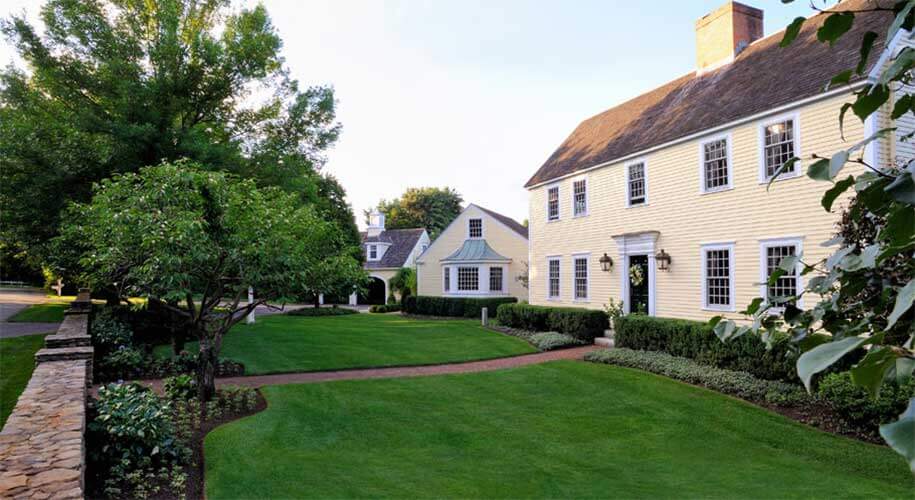
PRINCETON SCAPES, INC.

Princeton Scapes is a full-service landscape company. We offer landscape design, construction and maintenance, lawn-fertilization programs, and garden care for both commercial and residential properties. Taking pride in what we do, our highly trained, highly skilled team of horticulturalists, landscape architects, landscapers, stonemasons, and technicians are here to help you with all your landscaping needs.


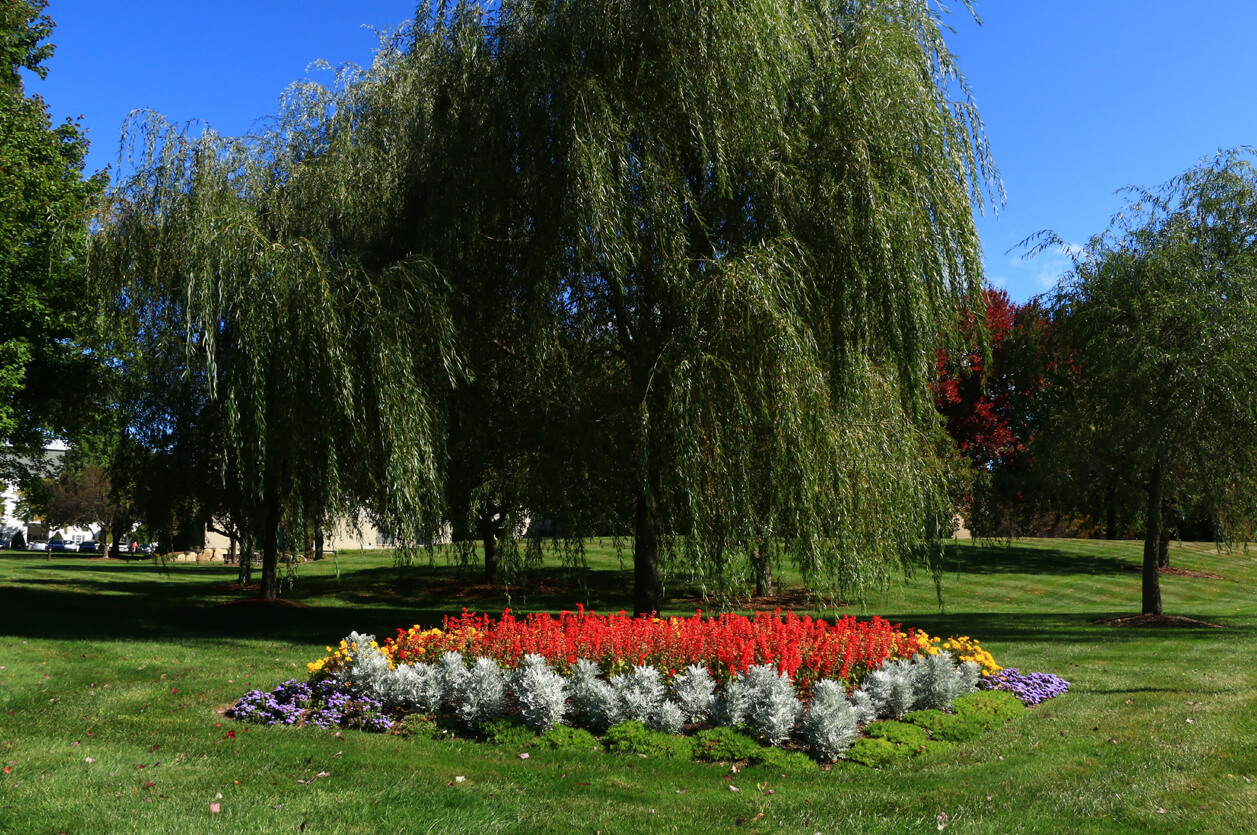
The professionalism of our team is second to none. Our Massachusetts-certified arborist and horticulturists and fully licensed turf and ornamental technicians offer unrivaled expertise and long-established experience. Through all the seasons and in all weathers, we provide reliable, high-quality care and maintenance.

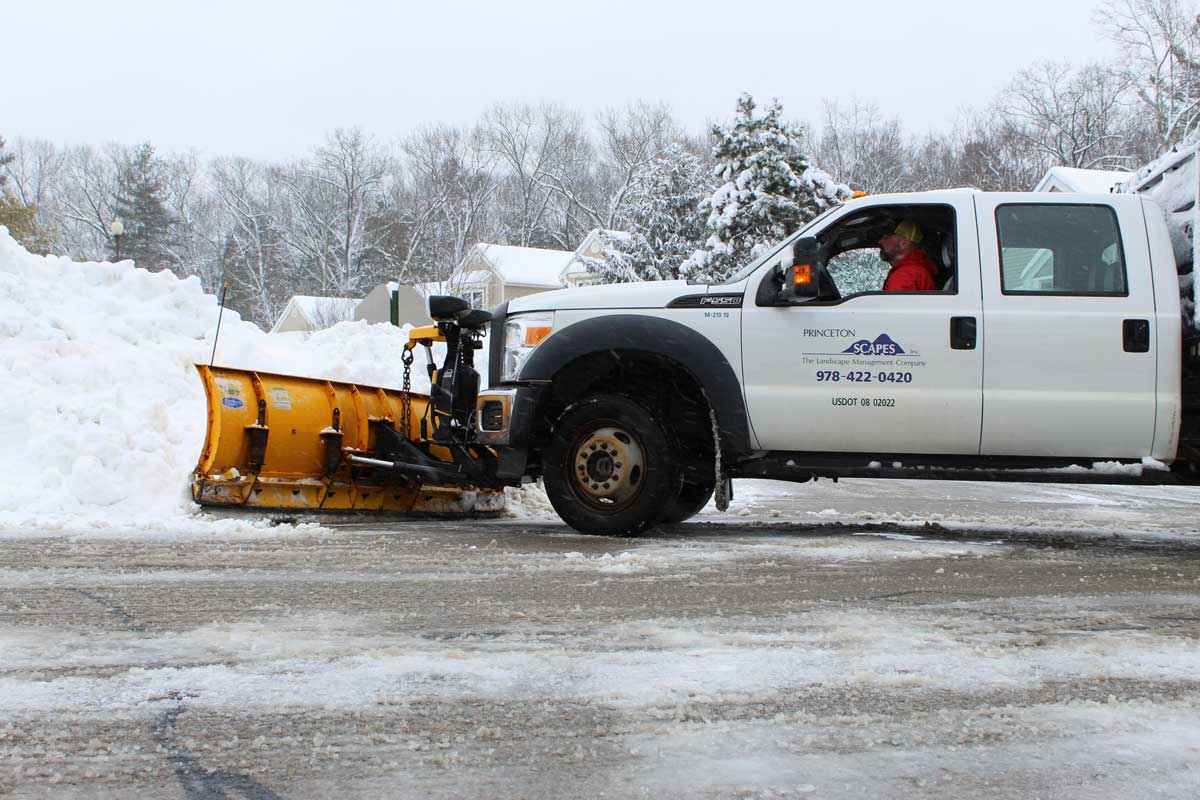
When the snow flies, Princeton Scapes keeps you going. We offer snow removal services to commercial and homeowners’ associations, day and night. We even have a 24/7 emergency “snow phone.”

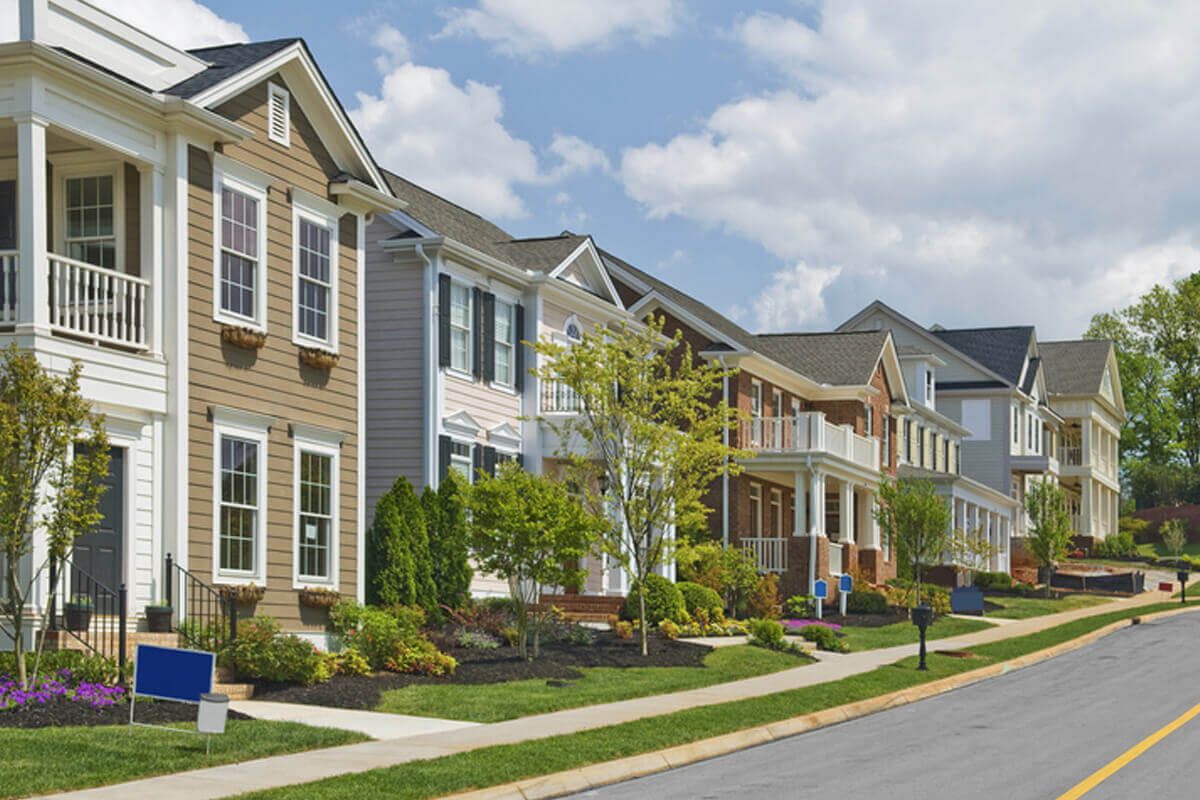
Homeowners’ associations range from single buildings to multi-unit complexes, from multi-age to over-55 condominium communities. With great communication, timely scheduling, and top-rate service, we provide first-class, dependable, year-round landscape care to all our clients.

Our premier landscape services ensure the beauty of your property always shines through. We are proud to work on some of the most exquisite properties in New England.